The Ship of Theseus
The Ship of Theseus asks whether an object that has had all its parts replaced remains the same object. If every plank of the vessel is swapped out over decades of voyages, does it stay Theseus's original craft, or does it quietly become an entirely different creation?
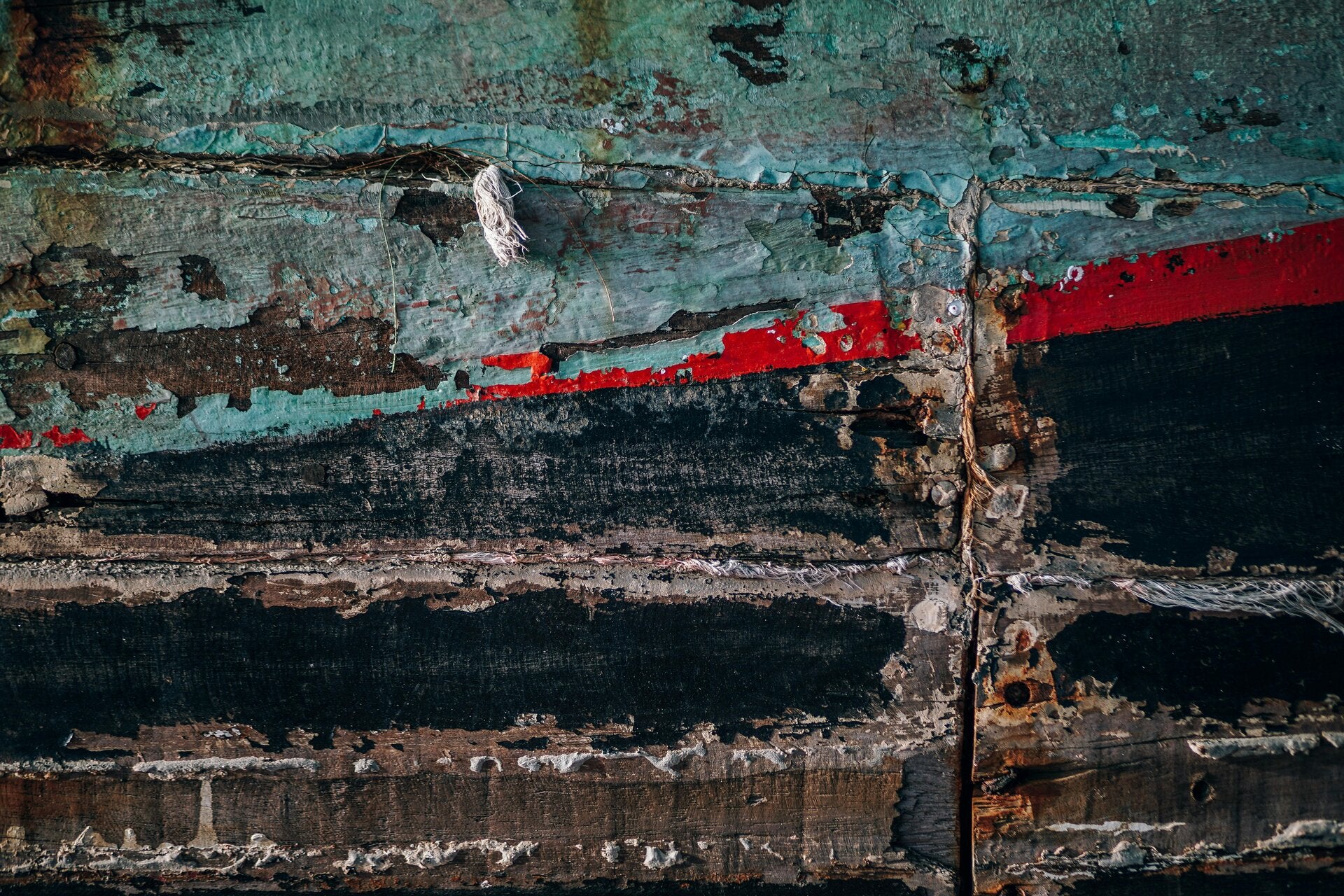
The ancient thought experiment
Originating in Greek legend and recorded by Plutarch, the myth recounts the Athenian fleet preserving the thirty-oared galley of Theseus. As old decay crept into the timber, craftsmen painstakingly installed fresh wood piece by piece. Eventually, not a single original component remained. Philosophers ever since have debated identity: is continuity found in physical substance, functional form, or the enduring name we assign to it?

Modern reflections in steel and biology
This classic dilemma is far from obsolete. Consider restoring an antique car: if you renew the engine, panel work, chassis, and upholstery over twenty years, at what point did the original automobile cease to be? The paradox turns inward when considering human biology. Our bodily cells continuously regenerate and replace themselves, meaning you hold almost no physical material from a decade ago, yet your identity persists.

Continue exploring the unknown
When identity is an ever-shifting puzzle, where does reality truly reside? Once you question the fundamental permanence of matter and selfhood, new paradoxes begin to unravel everyday assumptions. Continue your journey to challenge perception, time, and the universe.